Denmark Teams 2026
Supported by the Association of Corporate Counsel


Legal 500 is delighted tobring back the Teams edition of the GC Powerlist: Denmark, reaffirming our commitment to spotlighting the country’s leading in‑house legal departments. Making its return since 2023, this very special edition marks a deliberate shift from the traditional individual‑focused format, allowing us instead to recognise the collective excellence, collaboration and impact of Denmark’s top corporate legal teams.
For more than a decade, the GC Powerlist series has celebrated the vital contribution of in‑house counsel, growing to cover over 70 jurisdictions worldwide. This Teams edition continues the work of our dedicated in‑house research team by providing high‑performing legal departments with the recognition they deserve, reflecting the reality that today’s legal success is increasingly driven by teamwork rather than individual achievement alone.
Modern legal departments are no longer viewed as purely support functions. They are strategic partners to the business, embedded in executive decision‑making and central to organisational success. Honouring entire teams better captures the collaborative nature of in‑house legal work, celebrates the breadth of expertise within departments, and acknowledges the shared effort behind complex legal and commercial outcomes. It also mirrors how businesses operate today: through cross‑functional collaboration and collective leadership.
This special edition recognises a select group of legal teams whose expertise, innovation and strategic insight set them apart across both the legal and business landscapes. From embracing legal technology and navigating complex regulatory and economic environments, to advancing ESG priorities and contributing at board and executive level, these teams exemplify modern legal leadership in practice.
Within these pages, you will find in‑depth profiles and insights from some of Denmark’s most influential in‑house legal departments, spanning a wide range of industries. Their approaches to legal strategy, risk management and business partnership highlight the increasingly pivotal role played by in‑house teams in shaping organisational direction and long‑term value.
This edition also explores several key themes emerging across the Danish in‑house market, including the resilience of legal teams amid continued European political and economic uncertainty; the growing integration of technology – particularly AI – into legal workflows; and the expanding influence of general counsel and legal teams at C‑suite level.
Through this publication, we aim to present a compelling snapshot of the evolution of Denmark’s in‑house legal landscape and to share the stories of teams redefining what it means to lead within the legal function today.
We extend our warmest congratulations and sincere thanks to all the teams featured in this edition. Thank you for sharing your experiences and insights, and for the commitment to excellence that makes this publication possible – it is a privilege to showcase your achievements.
Finally, our heartfelt thanks to EY for once again partnering with us and hosting the official launch event. Your continued support is greatly appreciated and reflects a shared commitment to strengthening and celebrating Denmark’s in‑house legal community.
Francisco Faria e Castro | Research Editor | GC Powerlist Series

The recent news that elite US firm Sullivan & Cromwell had apologised to a judge over AI hallucinations in a court filing prompted a collective wince from the legal profession.
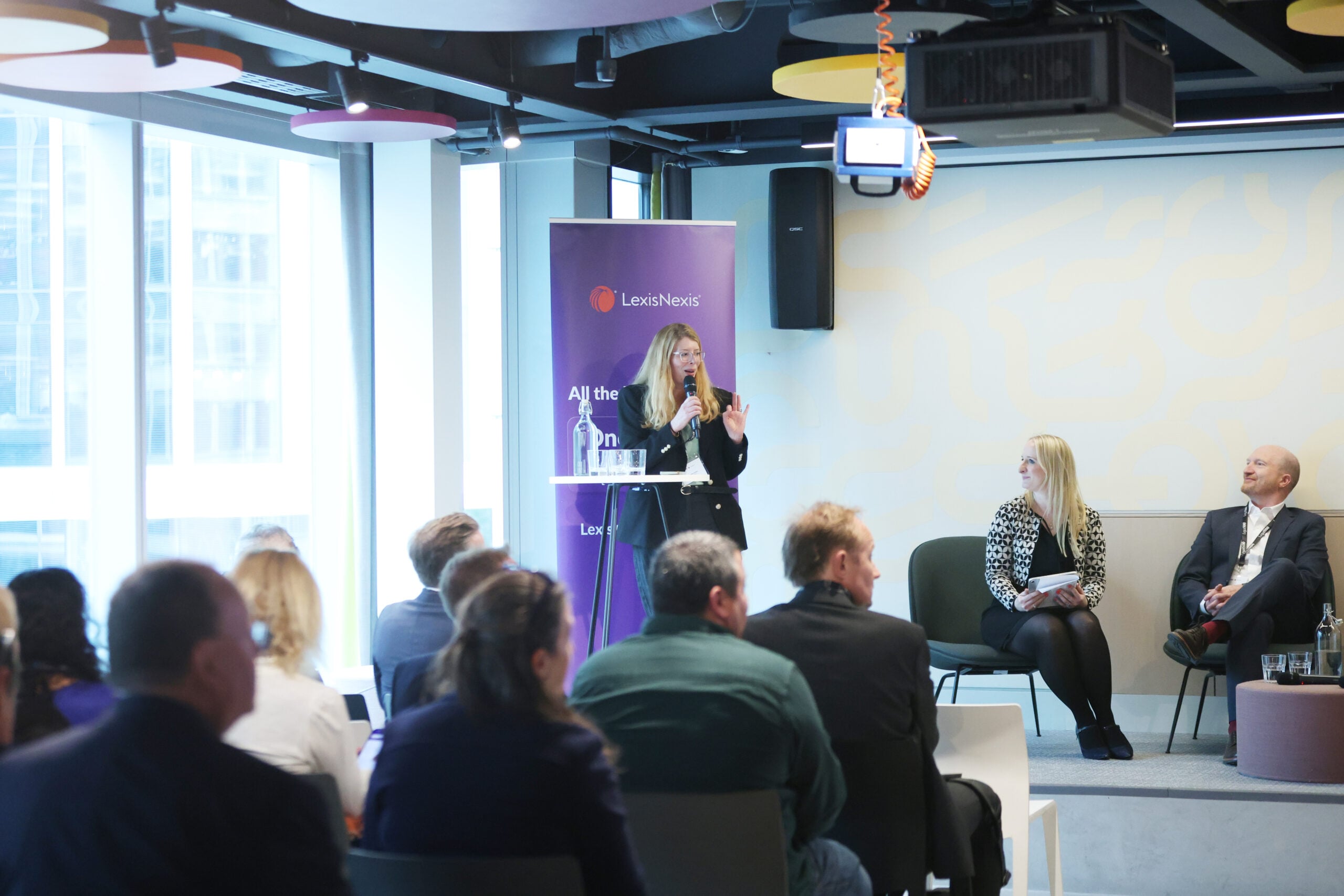
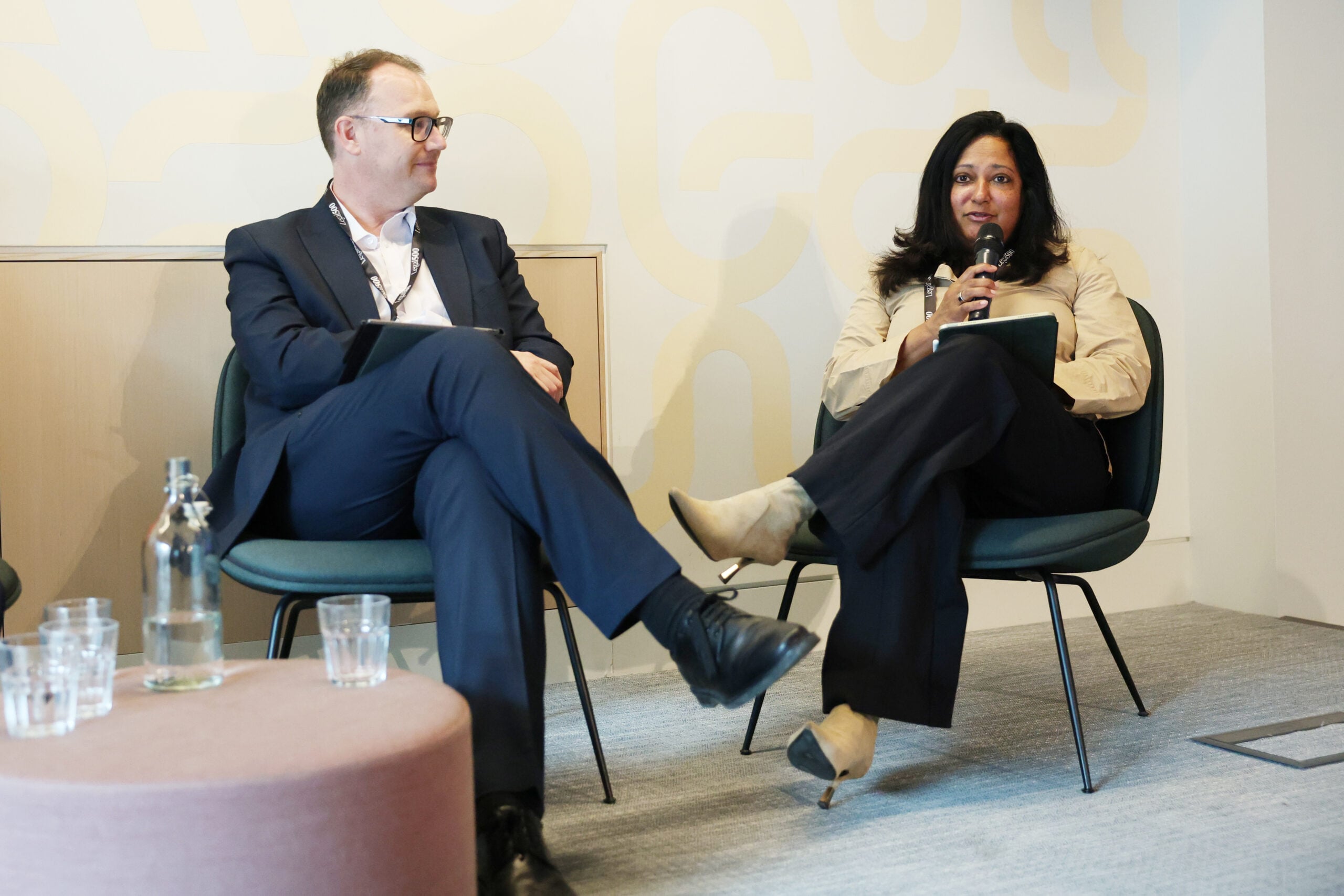
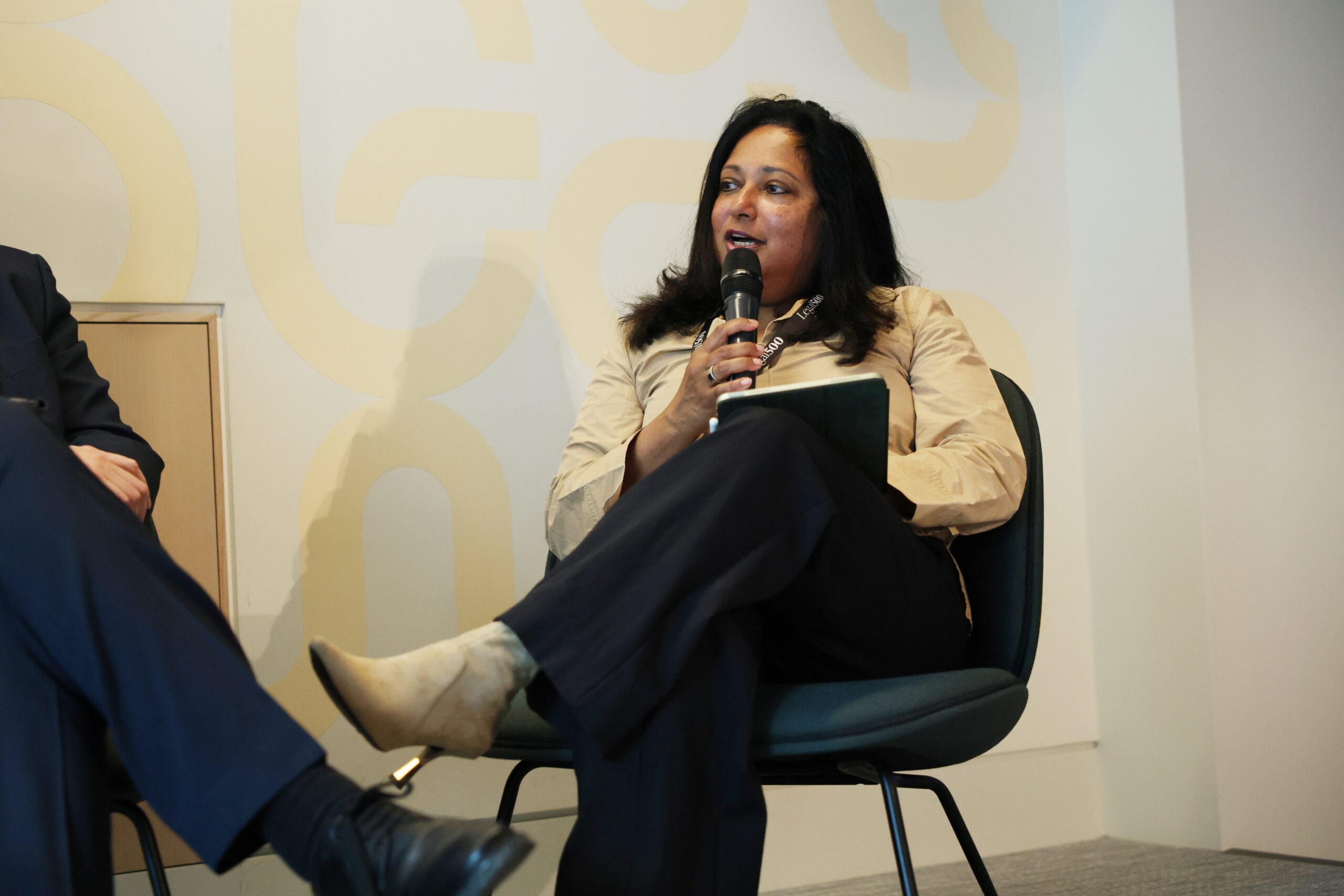
But while some lawyers remain wary of AI, others are striking a more open-minded note, and at the LexisNexis AI Forum hosted this Wednesday (20 May) by Legal 500 and Legal Business, panelists argued that the risks are far outweighed by the opportunities.
Barbara Zapisetskaya, principal technology counsel at the European Bank for Reconstruction and Development, made the case that hallucinations and other potential pitfalls can be overcome with a shift in mindset.
‘What makes a difference,’ she said, ‘is empowering your lawyers to take responsibility for AI output – helping them become active AI operators, not just passive AI users. You have agency to decide whether you agree with the output or not.’
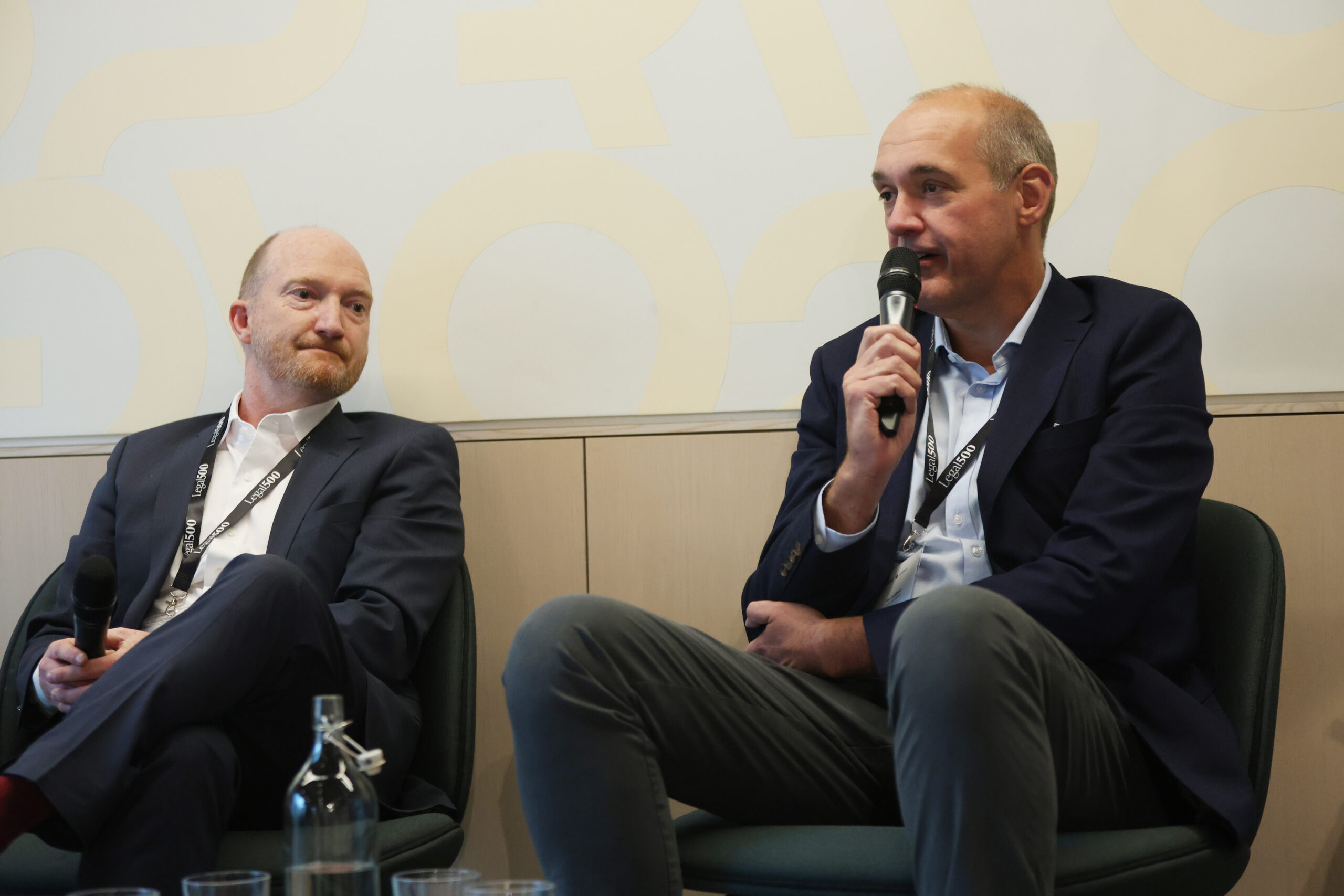
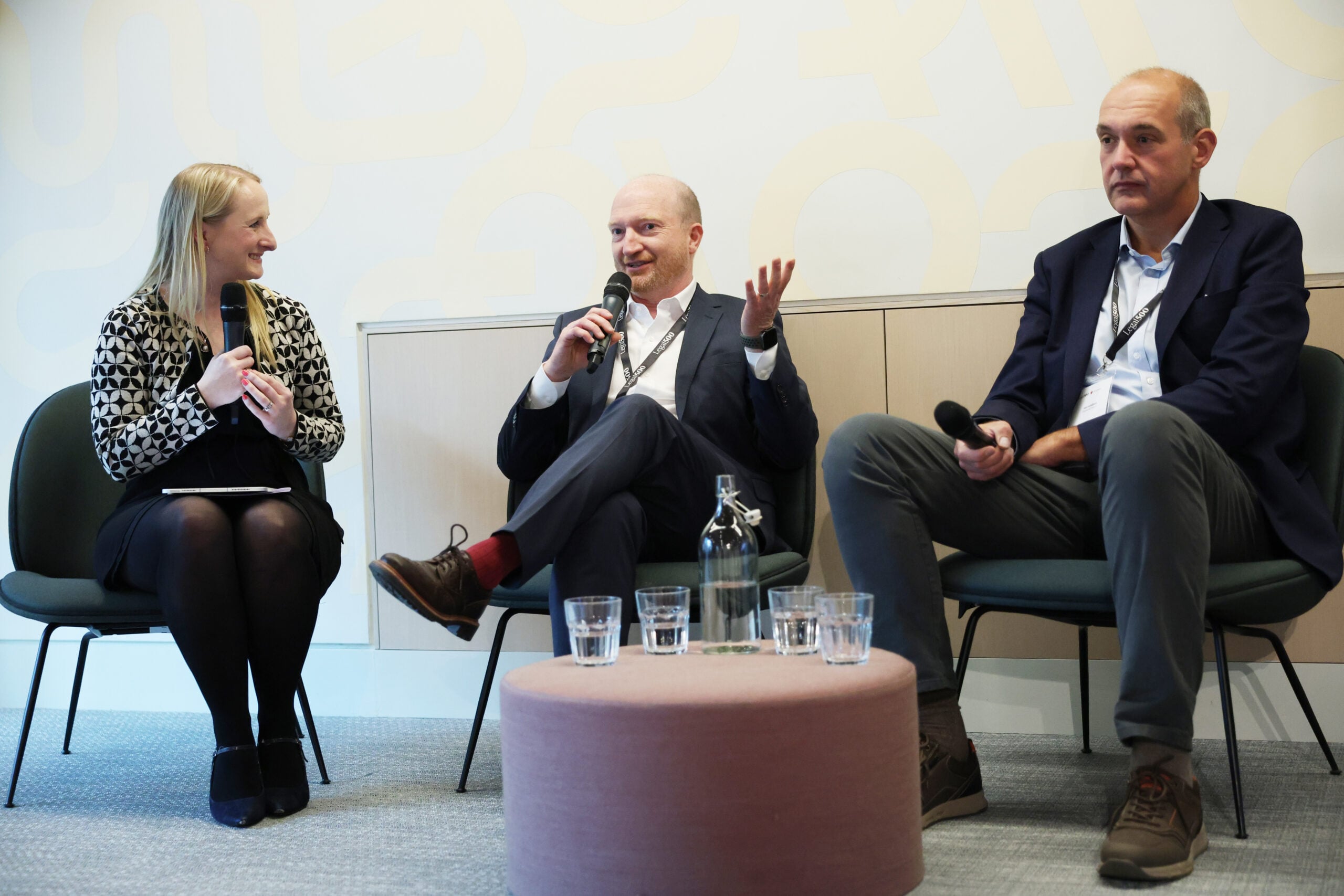
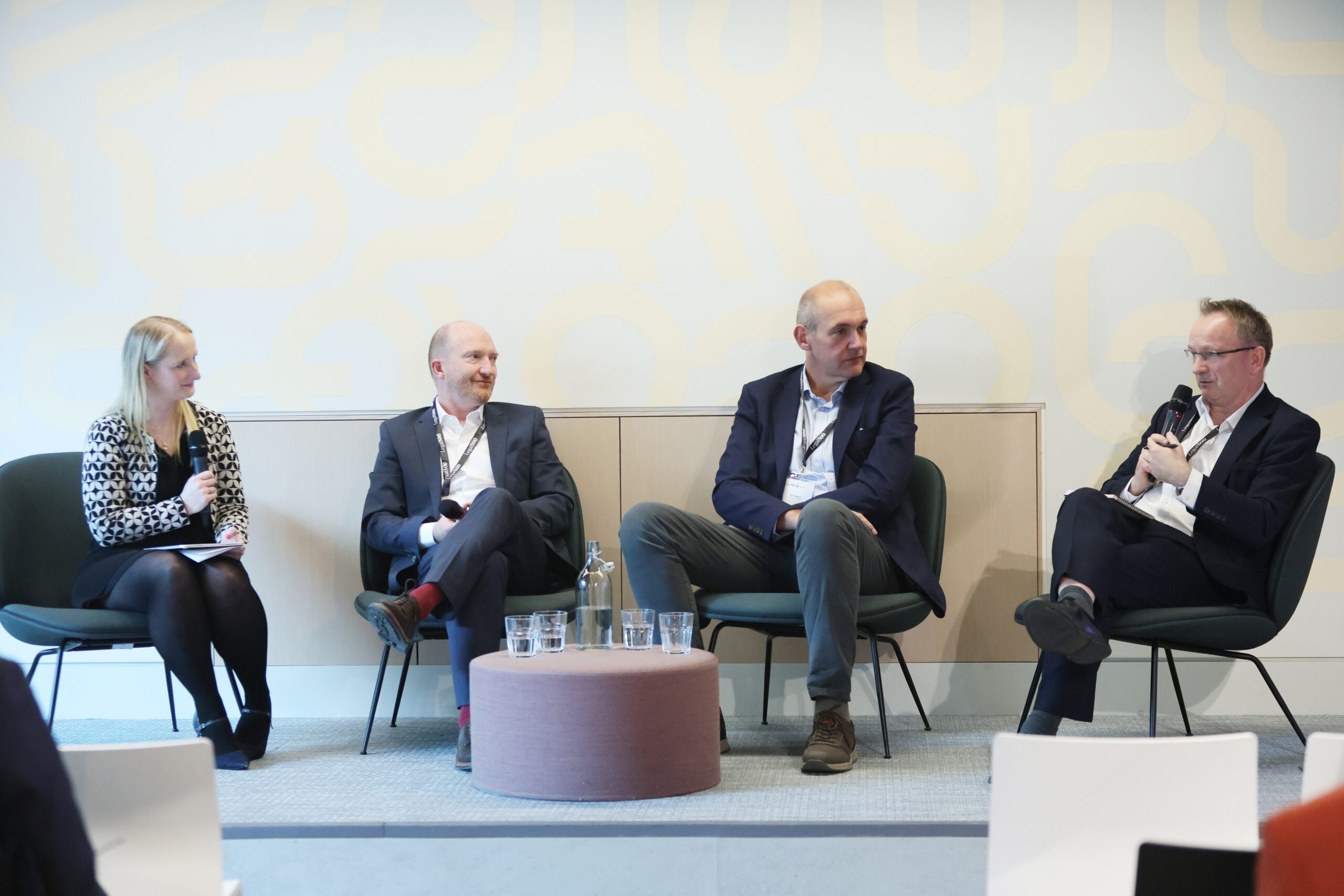
Zapisetskaya was among a line-up of leading in-house figures speaking on two panels, which covered everything from practical steps for AI implementation to the key decisions GCs need to be making in the coming months.
Financial Times general counsel Dan Guilford began by stressing the importance of building the right culture for AI adoption. In addition to proactively upskilling himself, Guilford talked about how he had implemented a voluntary weekly ‘show and tell’ meeting for team members to share successful use cases – or an exercise that became a gratifying measure of progress.
Other panelists discussed how increased in-house productivity is altering the dynamic with their external counsel.
While some see the use of AI by law firms as a precursor for reduced fees, Russell Davies, head of global operations for legal and compliance at Dentsu, said that faster results – however they are delivered – are something to be valued.
GSK assistant general counsel Anthony Kenny agreed, saying that while there was an expectation that external counsel would be utilising AI, the focus should be on the value of the output, rather than an overemphasis on identifying AI use as a justification to reduce fees.
Speaking on the second panel, MUFG EMEA general counsel James Morgan stressed the critical importance of education, noting that educating the C-suite on the advantages and risks of AI is just as important as enabling large in-house teams to use these tools.
Shanthini Satyendra, vice-chair of the AI Committee, Society for Computers & Law, CEO and founder of Manisain, offered a reminder of the importance of making the connection between tasks and the purpose behind them, extolling the virtues of identifying use cases for AI that can solve a meaningful problem.
Zapisetskaya concurred, adding that one of the most important tasks for GCs across the next six to twelve months is to create AI playbooks and templates, noting that ‘it is easy for lawyers to see problems – much harder for lawyers to see opportunities.’
There was also broad agreement among panellists that GCs should focus on upskilling their junior lawyers on AI, rather than – as some may expect – cutting back their workforce. As Satyendra summarised: ‘Some people are replacing human capital with AI without thinking about what’s required to make AI work. Retain your people and train them up.’
The panels were moderated by Emma Millington, head of the UK Lexis+ Finance Group, and LexisNexis director of segment management Stuart Greenhill.